
NASA & DoD’s Contributions to Society at Large Through Technology Transfers: Part I
October 17, 2025

Although this series of blog is not directly linked to Business Intelligence (BI) & Analytics for Artificial Intelligence (AI) per say. But we do not have to be that rigid in our focus, sometimes digress pays off in the shape of recollection, pride and a deeper appreciation for what we have and how it came to the point where it is today. To sincerely appreciate, we look to the institutions whose missions created the very foundations of today’s technological landscape.
Driven by devotion to their mission some organisations invent new technologies which transcend their original purpose. They then democratize those inventions for the greater good of the society. NASA & DoD are the two heavy celestial innovators with a radiant halo going far beyond their existence.
NASA and the Department of Defence (DoD) invent technology for their missions. They make these inventions available for public use, benefiting society. NASA’s Technology Transfer Program commercializes space technologies for earth-based applications, creating products like memory foam, freeze-dried food, and solar energy through its annual “Spinoff” publication. The DoD also facilitates technology transfer from military applications to the private sector, although NASA’s efforts are more widely known for public consumer and industrial products like CMOS image sensors found in cell phones.
Nasa’s impacts on our lives
NASA’s technology transfer program (spin-offs) began in 1976 and since then, NASA’s annual Spinoff publication has documented over 2,000 technologies that have been commercialized for public benefit and is responsible for a wide range of consumer and industrial products that benefit society.
The latest of those contributions being:
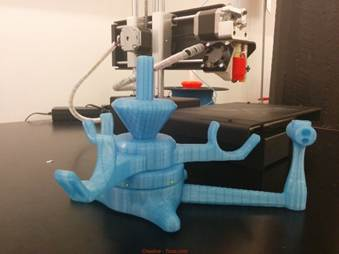
GRX-810 metal alloy: 3D-printable for rocket engines
A metal manufacturing technique that uses additive manufacturing (3D printing) to build large, complex aluminium parts for rocket engines. It’s now being adapted for use in other high-temperature environments. This enabled printing metal parts in space to test and advance in-orbit manufacturing capabilities.
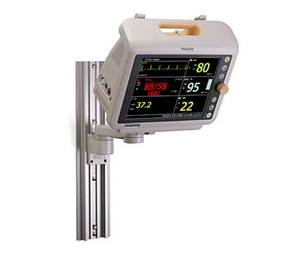
Space-based tech for home health monitoring
An innovative wall/ceiling-mounted technology to monitor vital signs and detect health issues, such as heart trouble, by sensing vibrations from the body. The technology uses radio-frequency (RF) signals to monitor vital signs by detecting bodily vibrations is the Cardi/o Monitor, a device developed by Advanced TeleSensors Inc. with a license from NASA’s Jet Propulsion Laboratory. This device uses algorithms to differentiate heart and respiratory activity from other movements, allowing for remote detection of vital signs like heart rate, breathing patterns, and arrhythmias from up to 10 feet away.
Information technology
NASA’s contributions to computer technology through its spinoff program are significant and wide-ranging, influencing fields from engineering and software development to everyday consumer hardware. Technologies originally developed for advanced aerospace needs have been commercialized and adapted for practical, terrestrial use.

NASTRAN software: NASA’s Structural Analysis Program, or NASTRAN, was created in the 1960s to analyze spacecraft designs. It is now a widely used open source software tool in the automotive, aircraft, and manufacturing industries.
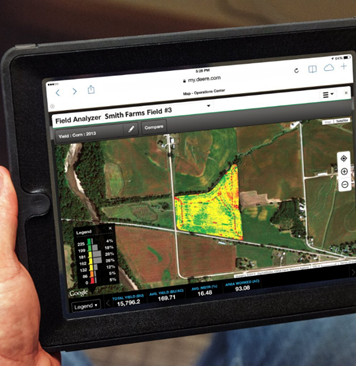
Precision agriculture: NASA’s Real-Time GIPSY (RTG) software, developed in the 1990s to correct GPS signal errors, was licensed by John Deere for its self-driving farm equipment, allowing for more precise crop management.
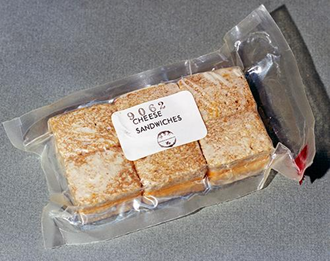
Food safety: To ensure food was free of disease-producing bacteria for space missions, NASA collaborated with Pillsbury to develop the Hazard Analysis and Critical Control Points (HACCP) system, which is now the industry standard for food safety
Video Imaging Stabilization & Registration (VISAR): Technology developed by NASA for enhancing video images from space was adapted to create Video Image Stabilization and Registration (VISAR), which is being used to stabilize video images distorted as a result of video camera motion with effective applications across mobile platforms, crime scenes, and home video.

OpenStack: In 2010, NASA released the code for its cloud compute platform, Nebula, as open-source. It partnered with Rackspace to form the OpenStack project, a foundational open-source cloud computing platform that is now used by many companies in the cloud market.
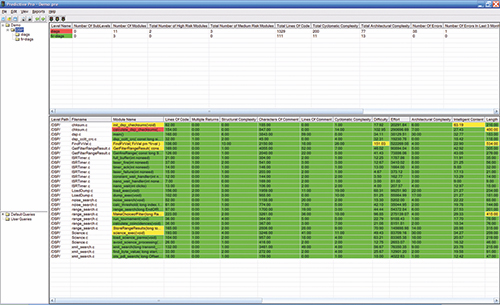
Predictive software: Based on NASA’s extensive metrics data for software development, an artificially intelligent product suite was developed to detect coding errors in the early stages of software creation, saving time and money for commercial developers.
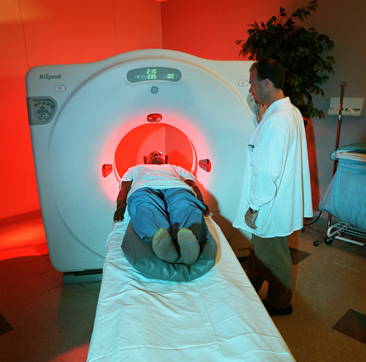
Digital signal processing for MRI: NASA’s contractor, JPL, developed advanced digital signal processing techniques. These methods were later applied to medical imaging technology, such as Magnetic Resonance Imaging (MRI), to produce clearer and more detailed images.
Virtual reality tracking: NASA-supported funding helped develop miniature, wearable motion-tracking technology for virtual reality (VR) applications. This core tech is now used commercially in a variety of fields, including simulation and training, entertainment, and medical settings.
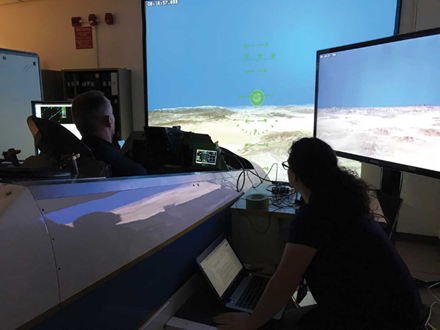
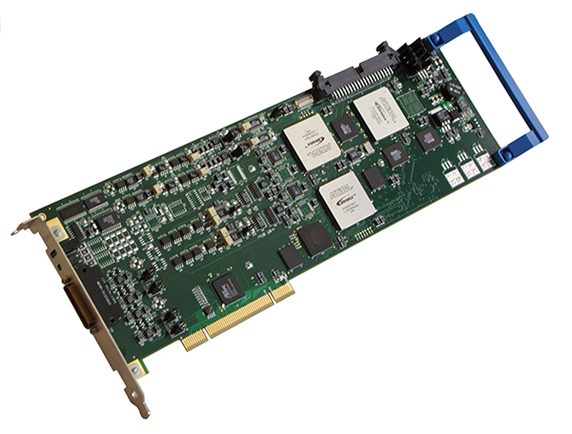
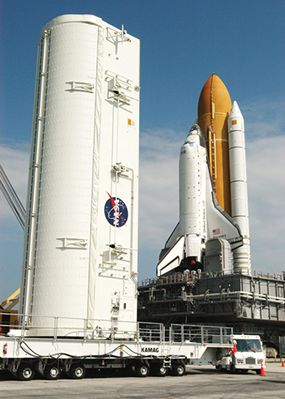
Telemetry hardware: The telemetry boards used to gather and translate data from rocket and Space Shuttle launches has been improved through partnerships with NASA. The commercialized telemetry boards are now used for aircraft engine testing and satellite ground support.
Scheduling software organizes complex scenarios
To resolve mission-critical scheduling issues, NASA helped develop a planning system that enables it to solve complex problems quickly using artificial intelligence techniques. A NASA partner has modified the software and released it as a commercial scheduling tool.
Health and medicine
Infrared ear thermometers: NASA-supported research led to the development of a thermometer that uses infrared technology to measure thermal radiation from the eardrum, a method similar to how astronomers measure the temperature of stars. NASA Spinoff and the Jet Propulsion Laboratory (JPL) supported Diatek Corporation in developing an infrared aural (ear) thermometer, now known as SureTemp. The thermometer measures the thermal radiation emitted by the eardrum to determine temperature, a technique adapted from methods used by astronomers to measure the temperature of distant stars and planets. This technology allows for rapid, non-contact temperature readings, eliminating the risk of cross-infection and making it ideal for use with newborns and critically ill patients.
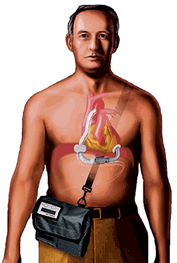
Ventricular assist device (VAD): A miniature, implantable heart pump for patients awaiting heart transplants was developed through a collaboration between NASA, Dr. Michael DeBakey, and MicroMed Technology Inc., utilizing NASA’s fluid dynamics expertise. It functions as a “bridge to heart transplant” by pumping blood throughout the body to keep critically ill patients alive until a donor heart is available.
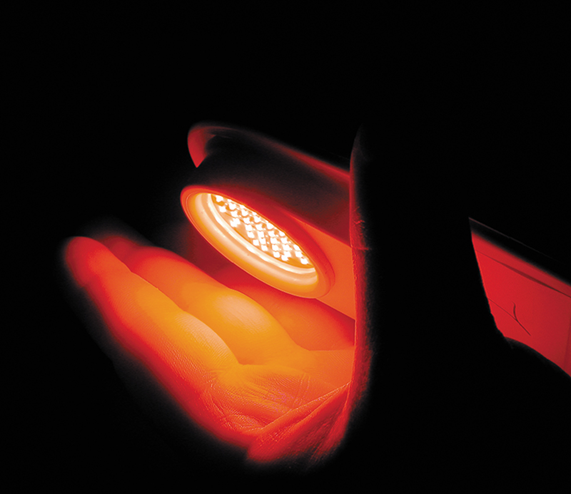
LED therapy: High-intensity light-emitting diodes (LEDs), initially developed for plant growth experiments on the Space Shuttle. This technology was then adapted into handheld units for terrestrial medical applications, using specific wavelengths to stimulate cellular metabolism for faster wound healing and to promote tissue growth, and it has also shown promise for treating certain tumors.
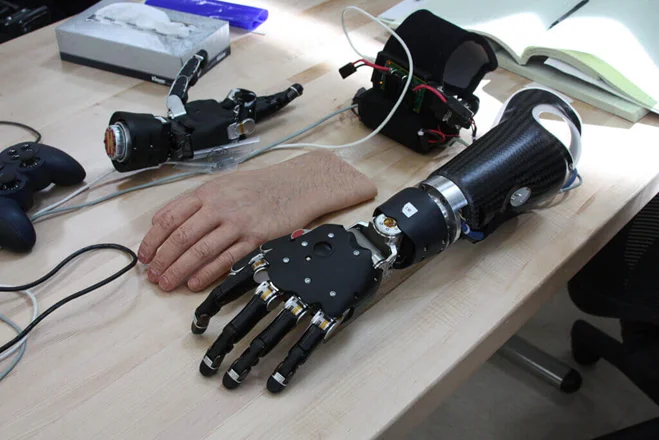
Artificial limbs: Innovations in robotics and shock-absorbing materials used for NASA’s space robots and astronauts have been adapted to create more functional and comfortable artificial limbs for humans and animals. Advancements such as Environmental Robots Inc.’s development of artificial muscle systems with robotic sensing and actuation capabilities for use in NASA space robotic and extravehicular activities are being adapted to create more functionally dynamic artificial limbs. These technologies offer features like dynamic actuation for more natural movement and custom-moldable materials that provide a comfortable, skin-like interface.
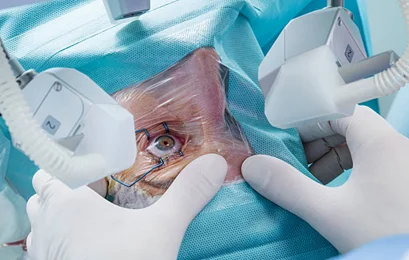
LASIK eye surgery: NASA’s development of LADAR (Laser RADAR) technology for autonomous docking in space was adapted for use in LASIK eye surgery to track involuntary eye movements, allowing for more accurate procedures. NASA’s LADARVision® (Laser LADARVision) technology, developed for precise docking in space, was adapted from a NASA SBIR contract to create a high-speed eye-tracking device for LASIK surgery. This LADAR technology, by tracking involuntary eye movements up to 4,000 times per second, allows for accurate placement of the excimer laser during surgery, leading to more precise and customized vision correction procedures.
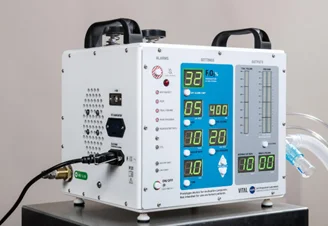
VITAL ventilator: During the COVID-19 pandemic, NASA engineers quickly (in 37 days) designed the VITAL (Ventilator Intervention Technology Accessible Locally) device with fewer than 100 parts, then licensed it for free to dozens of companies worldwide to help save lives.
Consumer products and home goods
Memory foam: Originally called “temper foam,” this shock-absorbing material was developed by NASA to improve crash protection for airline passengers and was later used in spacesuits. It is now widely used in mattresses, pillows, and safety equipment.
“Today, memory foam is one of NASA’s most widely used spinoffs. The material turns up in everything from mattresses to wheelchairs to protective gear”
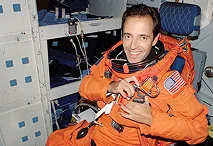
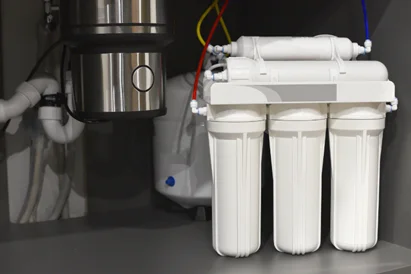
Water filtration: Modern water filtration systems were influenced by technology developed for the Apollo program to keep astronauts’ water uncontaminated for long missions. They use activated charcoal to absorb pollutants and impurities. These innovations have been commercialized and are now used in various systems, from in-home filters to industrial applications, providing a significant benefit to water purification on Earth.
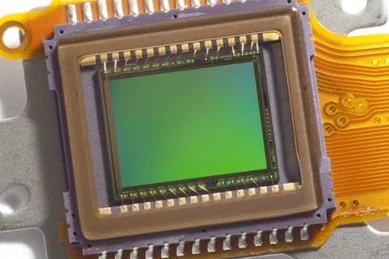
CMOS image sensors: Scientist Eric Fossum at NASA’s Jet Propulsion Laboratory developed complementary metal-oxide-semiconductor (CMOS) image sensors to miniaturize cameras for interplanetary missions. This technology is now used in all smartphone cameras.

Cordless vacuums: When Black & Decker was tasked with creating a portable, self-contained drill for the Apollo missions, the project led to the development of the DustBuster, a cordless miniature vacuum.
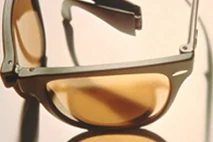
Scratch-resistant lenses: Coatings developed to protect astronauts’ helmet visors from scratches in space were later licensed for use in eyeglasses and sunglasses. It revolutionizing the optical industry by enabling the production of more durable and affordable lenses.

Space blankets: These are known as space blankets, or emergency blankets developed in 1964. They are made of a thin polyethylene film coated with aluminium, creating a shiny, reflective material that reflects about 90% of the body’s infrared radiation, helping to prevent heat loss and hypothermia.
Transportation and public safety
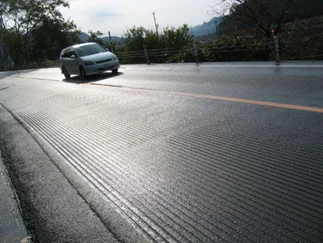
Grooved pavement: The process of cutting grooves into concrete runways to improve traction and prevent hydroplaning, developed by NASA for landing space shuttles, is now common on highways and commercial runways.
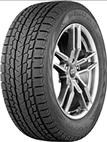
Radial tires: Goodyear developed a fibrous material five times stronger than steel for NASA’s Viking Lander parachute shrouds. Goodyear later expanded this technology to produce a more durable radial tire.
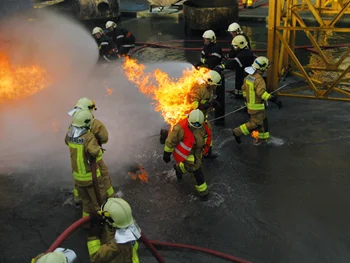
Firefighting equipment: Space program research into lightweight, durable materials led to improvements in firefighting equipment, including breathing systems and heat-resistant suits
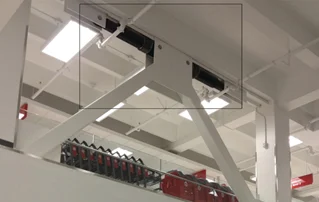
Seismic shock absorbers: Taylor Devices Inc. developed fluid viscous dampers for NASA in the 1960s, and this technology was adapted to protect buildings and bridges from earthquake damage, with hundreds of buildings and bridges equipped with these dampers worldwide. These dampers, which function similarly to shock absorbers in a car, absorb seismic energy and have been proven effective in protecting structures from earthquakes without suffering damage themselves, according to NASA.
So that’s it for now for the part I. There is one more part of this article series. The DoD also engages in technology transfer to bring military technologies to the civilian domain. While less publicized in consumer terms, yet these transfers serve a similar purpose of benefiting the broader economy and public. For example, military technology related to communications or advanced materials can often be adapted for civilian use in various sectors. The upcoming blog will focus on the top inventions by DoD brought to public domain.
- NASA-developed printable metal alloy (GRX-810)
- CMOS Image Sensors
- Black & Decker DustBuster
- Scratch-Resistant Lenses
- Space Blanket
- Grooved Pavement
- Radial Tires
- Firefighting Equipment Improvements
- How NASA Helped Firefighters
- Seismic Shock Absorbers
- Memory Foam
- NASA’s Water Filtration Innovation
- NASA Water Purification Efforts Worldwide
- NASA Solving Water Problems – World Economic Forum
- NASTRAN Software Overview
- NASA NASTRAN Software Download
- Precision Agriculture with NASA’s Real-Time GIPSY
- Food Safety – HACCP System
- NASA Technical Reports Server (1998-0227428)
- Cordless Power Tools Technology
- Infrared Thermometers and Scanners
- Artificial Limbs Innovation
Recent Articles




Archives:
- February 2026 (2)
- January 2026 (2)
- November 2025 (8)
- October 2025 (2)
- September 2025 (3)
- August 2025 (5)
- July 2025 (6)
- June 2025 (2)
- May 2025 (1)
- April 2025 (2)
- March 2025 (2)
- February 2025 (4)