
Could your project be suffering from ‘tech debt’ that only seasoned outsiders would dare to call out?
August 9, 2025
Have you ever used a smartphone that’s getting older? At first, it was snappy and quick. But over time, apps launch slower, updates take forever, and sometimes it just freezes up for no clear reason. You keep adding new apps, but the core system feels clunky. This is a bit like “tech debt” in projects: small, seemingly harmless choices made early on, or quick fixes, pile up to create a slow, unstable, and hard-to-manage system later. And often, only someone who hasn’t been part of those small choices can truly see the mess.
You might be wondering, why is this “debt” so hard to spot from the inside?
The Quick Fix Loan
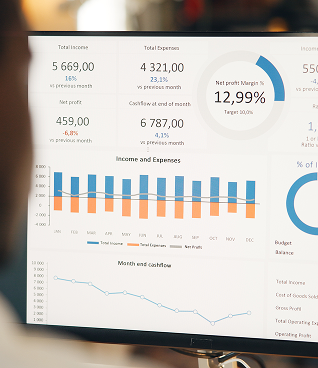
When dashboards or applications are first built, speed often takes priority. Power BI reports may connect directly to Excel files, while Qlik Sense applications might use hardcoded calculations. These choices deliver results quickly, like taking out a short-term loan to solve an immediate need.
The Growing Interest
Over time, these shortcuts create hidden costs. Direct Excel connections make reports slow and fragile, breaking when files move. Hardcoded logic becomes nearly impossible to update when business rules change, sometimes requiring a complete rebuild. The “interest” on this debt shows up as teams spending more time fixing old problems than building new features.
The Outsider’s Lens
Specialized outsiders bring perspective unclouded by past decisions. They aren’t attached to quick fixes and can identify the underlying structural issues. Like a skilled technician diagnosing a sluggish phone—too many background apps, an overloaded cache, and an outdated system—they see the real causes of inefficiency and chart a path to stability and progress.

They start by observing your processes and systems. They might notice that your team spends an exorbitant amount of time reconciling data for a key BI report, suggesting that the underlying data architecture is fragmented and poorly designed. Or they might see that every small change to a Qlik Sense application requires extensive manual testing because there’s no automated testing framework. It’s like they’re running a deep diagnostic scan on your phone, identifying all the hidden processes and inefficient code.
Then, they analyze the “debt” points. They’ll review your data models, your coding practices, and your system architecture. They might point out that your Power BI data model is overly complex with redundant tables because different teams built pieces independently. Or that your Qlik Sense scripts are full of inline SQL queries instead of using a proper data warehouse, making them hard to maintain and prone to errors. They connect the dots between your current struggles and those past “quick fix” decisions.
Finally, they call it out. They provide a clear, unbiased assessment of the “tech debt” and its impact. They don’t just say “your phone is slow.” They explain that the lack of a proper data governance framework is causing inconsistent data quality across your BI tools, or that the absence of a version control system for your Power BI datasets leads to multiple “master” versions and confusion. They offer solutions to “pay off” this debt, such as rebuilding a centralized data platform, implementing automated testing for your Qlik Sense applications, or establishing consistent coding standards for all BI development. They propose the “clean reinstall” or the hardware upgrade needed to get your system running smoothly again.
Are your projects constantly behind schedule despite hard work? What “quick fixes” might be silently accumulating “interest” in your current BI solutions? How would you even begin to identify “tech debt” within your own team’s work without an outside view? What’s the biggest “performance issue” your team is facing that might stem from an old, unaddressed problem?
Recent Articles



Archives:
- February 2026 (2)
- January 2026 (2)
- November 2025 (8)
- October 2025 (2)
- September 2025 (3)
- August 2025 (5)
- July 2025 (6)
- June 2025 (2)
- May 2025 (1)
- April 2025 (2)
- March 2025 (2)
- February 2025 (4)